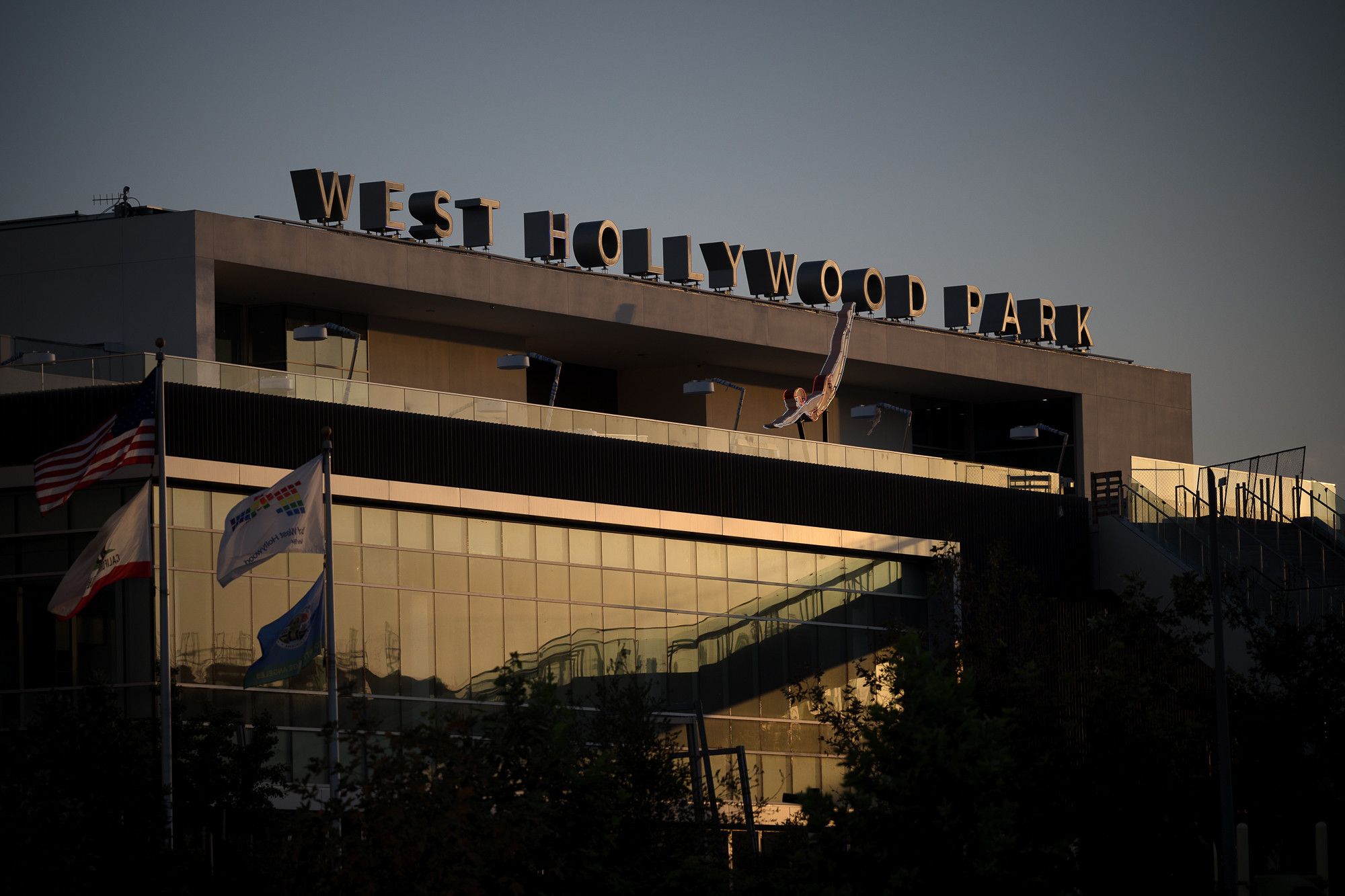
Welcome from City of West Hollywood and FAM
Mayor Chelsea Byers: Welcome to West Hollywood and to STORIES: The AIDS Monument. I’m Mayor Chelsea Byers. The City of West Hollywood is so proud to have partnered with the Foundation for The AIDS Monument to bring this important monument to our City where HIV and AIDS had such a profound impact. Our City incorporated in the midst of the AIDS epidemic in 1984, allowing us to become a model for how a city government could provide resources for and could protect those affected by AIDS. The City’s new leaders and their staffs met the moment with a deep sense of urgency because so many of our residents were sick and dying, including City Staff, dozens of whom lost their lives to AIDS-related causes. This AIDS Monument came together because of the vision, collaboration, persistence and dedication of a diverse group of Foundation board members, working with our City Council and City Staff. These same qualities of vision, collaboration, persistence and dedication helped our community get through the most difficult period of the AIDS epidemic and guide our approach today as we tackle the ongoing challenges of HIV and AIDS education, prevention and treatment — because HIV and AIDS aren’t over. We owe a debt of gratitude to the many generous donors and grant makers who provided funding to the AIDS Monument: private individuals, foundations, the State of California, the County of Los Angeles, the City of Los Angeles and our own City of West Hollywood.
John Heilman: Hello, I’m John Heilman, former Mayor of West Hollywood. I’m the longest serving member of the West Hollywood City Council. I began my first term on the City Council back in 1984, this was before HIV tests were available, when fear of death and contagion from AIDS was rampant. I’m proud to have helped draft the City of West Hollywood’s law prohibiting discrimination against people with HIV and AIDS. This was passed in August 1985. It was one of the first such
laws in the nation. Also in 1985, just a year after we became a City, the City sponsored one of the first government-funded AIDS awareness campaigns in the country, to talk directly to our community about safe sex. We created a model for government funding of AIDS awareness and prevention efforts that other government bodies would adopt. We also adopted a social services funding program and we directed millions in tax revenues to different AIDS services organizations desperate for funding. This included organizations such as AIDS Project Los Angeles, AID for AIDS, Being Alive and other organizations which served the community affected by HIV. The City was also one of the first in the nation to create a domestic partnership registry in 1985 so that unmarried same sex couples could be legally recognized. That legal status was critical for giving domestic partners the rights they needed in dealing with the other partner’s terminal illness.
Having an AIDS Monument in West Hollywood is important to me personally because I lost so many friends and co-workers to AIDS. Back in 1990 I joined a
volleyball team of gay men. After several years of playing together, more and more of the team members became sick and over the years I was the only team member to survive. All the others passed away from AIDS-related illnesses.
Irwin Rappaport: I’m Irwin Rappaport, Board Chair of the Foundation for The AIDS Monument from 2021-2025. Those of my generation, born between the mid-1940s and 1970, lost so many friends and loved ones to this disease and had to come together as a community to support one another. That’s why the City of West Hollywood and the Foundation were committed to remembering those we lost, celebrating the survivors and the leaders, activists and caregivers who stepped up when they were needed the most, and to educating young people about AIDS history and the lessons we learned from the height of the epidemic and continue to learn today. In many ways, the bond within our community was strengthened by having to work together in the face of AIDS, and that strength helped us to organize and make progress in other struggles for civil rights and social change. Those struggles continue today as our LGBTQ community faces a backlash of hate and discrimination, attacks on our basic rights to work, live and love authentically and in peace, and as federal funding for AIDS-related research, treatment and education is cut or eliminated. I hope you enjoy your visit today, learn something new, and that you’ll encourage your friends to visit.
Narrators (in order of appearance):
Mayor Chelsea Byers
John Heilman
Irwin Rappaport